

How to cut a copper bar?
Hey there! As a copper bar supplier, I've had my fair share of experiences with cutting copper bars. It might seem like a straightforward task, but there's actually a lot more to it than meets the eye. In this blog, I'm gonna walk you through the whole process of cutting a copper bar, step by step.
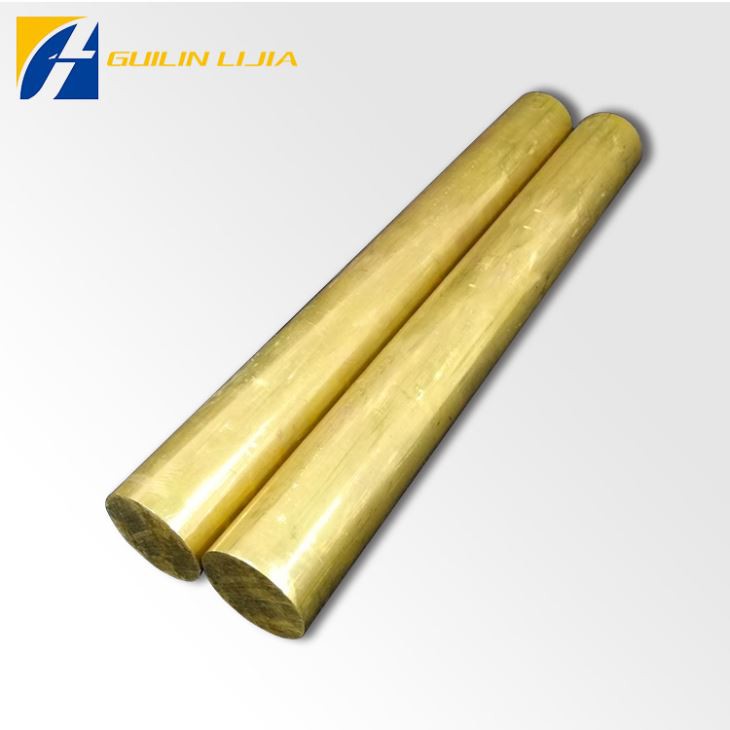
First off, let's talk about the types of copper bars we deal with. We've got a wide range of options, like the Copper Nickel Bar with High Resistance. This type of bar is great for applications where you need high resistance, like in electrical components. Then there's the Copper Alloy Round Bar, which is super versatile and can be used in various industries. And if you're looking for something for precise instruments, our Brass Bar for Precise Instrument is the way to go.
Now, let's get into the cutting process. The first thing you need to do is gather the right tools. You'll need a saw, preferably a hacksaw or a power saw depending on the size and thickness of the copper bar. A hacksaw is great for smaller bars or when you need more precision, while a power saw can make quick work of larger bars. You'll also need a measuring tape to mark the length you want to cut, a clamp to hold the bar in place, and some safety gear like gloves and goggles.
Once you've got your tools ready, it's time to measure and mark the bar. Use the measuring tape to measure the length you need and mark it with a marker or a scribe. Make sure your mark is clear and accurate. Then, use the clamp to secure the bar to a workbench or a stable surface. This will prevent the bar from moving around while you're cutting, which can lead to inaccurate cuts or even injuries.
Now, it's time to start cutting. If you're using a hacksaw, hold the saw at a 45-degree angle to the bar and start sawing slowly. Apply even pressure and let the saw do the work. Don't try to force it, as this can cause the blade to break or the bar to get damaged. If you're using a power saw, make sure you follow the manufacturer's instructions and safety guidelines. Wear your safety gear and keep your hands away from the blade.
As you're cutting, you might notice that the copper bar starts to heat up. This is normal, but you need to be careful not to overheat the bar, as this can affect its properties. If the bar gets too hot, stop cutting and let it cool down before continuing. You can also use a coolant or lubricant to help keep the bar cool and reduce friction.
Once you've cut the bar to the desired length, you'll need to smooth the edges. You can use a file or sandpaper to remove any rough edges or burrs. This will make the bar look nicer and also prevent injuries when handling it.
Now, let's talk about some tips and tricks to make the cutting process easier and more efficient. First, make sure you use a sharp blade. A dull blade will make it harder to cut the bar and can also cause uneven cuts. Replace the blade regularly to ensure a clean and precise cut.
Second, use a lubricant or coolant. This will help reduce friction and heat, making the cutting process smoother and faster. You can use a commercial lubricant or make your own by mixing water and dish soap.
Third, take your time. Cutting a copper bar requires patience and precision. Don't rush the process, as this can lead to mistakes and injuries. Take breaks if you need to and make sure you're comfortable and focused.
Finally, practice makes perfect. The more you cut copper bars, the better you'll get at it. Don't be afraid to try different techniques and tools to find what works best for you.

In conclusion, cutting a copper bar is a skill that takes time and practice to master. By following the steps and tips outlined in this blog, you'll be able to cut copper bars like a pro. If you're interested in purchasing copper bars for your projects, feel free to reach out to us. We're here to help you find the right copper bar for your needs and provide you with the best service possible.
References:
- General knowledge and experience in the copper bar industry.