

How does a copper coil function in a cooling system?
As a seasoned supplier of copper coils, I've witnessed firsthand the critical role these components play in cooling systems. Copper coils are not just simple elements; they are the heart and soul of many cooling mechanisms across various industries. In this blog, I'll delve into how a copper coil functions in a cooling system, shedding light on its operation, benefits, and applications.
The Basics of Copper Coils in Cooling Systems
At the core of any cooling system lies the principle of heat transfer. A copper coil serves as a medium through which heat can be efficiently moved from one place to another. Most cooling systems operate on a closed - loop cycle, and the copper coil is a key component within this cycle.
In a typical cooling system, the copper coil is used in two main parts: the evaporator coil and the condenser coil.
The Evaporator Coil
The evaporator coil is where the cooling process begins. It is located inside the space that needs to be cooled, such as inside an air - conditioning unit in a room or within a refrigerator compartment. The refrigerant, a special fluid designed to change states easily, enters the evaporator coil as a low - pressure liquid.
As the warm air from the room or the refrigerated space passes over the evaporator coil, heat from the air is transferred to the refrigerant inside the coil. This causes the refrigerant to absorb the heat energy and evaporate, changing from a liquid to a gas. The now - cooled air is then blown back into the space, reducing the temperature.
The high thermal conductivity of copper makes it an ideal material for the evaporator coil. Copper can quickly transfer heat from the air to the refrigerant, which means the cooling process is efficient and fast. The coil's coiled design also increases the surface area in contact with the air, further enhancing the heat - transfer process. For more information on the types of copper coils like Cupro Nickel Coil Tube, you can visit our website.
The Condenser Coil
Once the refrigerant has absorbed heat in the evaporator coil and turned into a gas, it is pumped to the condenser coil. The condenser coil is usually located outside the cooled space, such as the outdoor unit of an air - conditioner.
At the condenser coil, the refrigerant is compressed, which increases its pressure and temperature. As the hot, high - pressure refrigerant flows through the copper condenser coil, the coil releases the heat to the surrounding outdoor air. The refrigerant then condenses back into a liquid state as it loses heat.
The copper condenser coil is designed to dissipate heat effectively. Its high thermal conductivity allows the heat from the refrigerant to be quickly transferred to the outside air. The coiled shape of the condenser coil maximizes the surface area for heat exchange, ensuring that the refrigerant can cool down and return to a liquid state efficiently.
Advantages of Using Copper Coils in Cooling Systems
There are several reasons why copper is the material of choice for coils in cooling systems:
High Thermal Conductivity
As mentioned earlier, copper has excellent thermal conductivity. This means it can transfer heat much faster than many other metals. In a cooling system, this translates to quicker cooling and more efficient operation. A system with copper coils can reach the desired temperature faster and consume less energy in the process.
Corrosion Resistance
Copper is naturally resistant to corrosion, which is crucial in a cooling system where the coils are exposed to moisture and various environmental factors. This resistance ensures a longer lifespan for the coils, reducing the need for frequent replacements and maintenance. For example, Copper Tubing Coil made from high - quality copper can withstand harsh conditions and still perform optimally.
Ductility
Copper is a highly ductile metal, which means it can be easily bent and shaped into the coiled form required for cooling systems. This allows for custom - made coils to fit different types of cooling equipment, whether it's a small domestic refrigerator or a large industrial chiller.
Cost - Effectiveness
Although copper may have a higher upfront cost compared to some other materials, its long - term cost - effectiveness is undeniable. The energy savings due to its high efficiency and the reduced maintenance and replacement costs make copper coils a smart investment in the long run.
Applications of Copper Coils in Cooling Systems
Copper coils are used in a wide range of cooling applications:

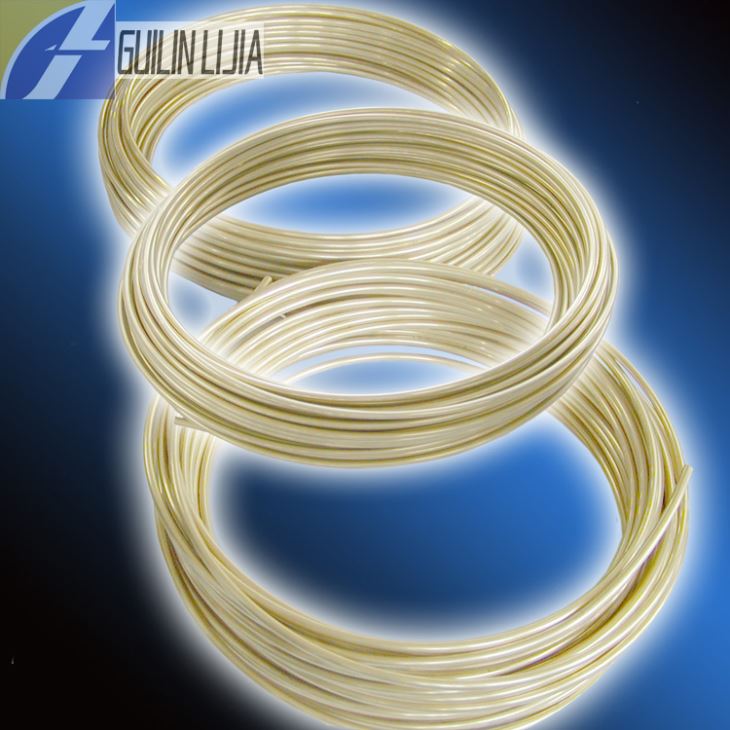
Air Conditioning
In both residential and commercial air - conditioning systems, copper coils are essential. The evaporator coil cools the indoor air, while the condenser coil releases the heat outside. Whether it's a window air - conditioner, a split - system air - conditioner, or a large central air - conditioning unit, copper coils play a vital role in maintaining a comfortable indoor temperature.
Refrigeration
Refrigerators and freezers rely on copper coils for their cooling operation. The evaporator coil in the refrigerated compartment absorbs heat from the food and other items inside, while the condenser coil on the back or bottom of the appliance releases the heat into the surrounding environment. Copper Refrigeration Tubing Coil is specifically designed for these refrigeration applications, ensuring efficient cooling and long - term performance.
Industrial Cooling
In industrial settings, large - scale cooling systems are used to cool machinery, processes, and data centers. Copper coils are used in these systems to handle the high heat loads. For example, in a power plant, copper coils are used in the cooling towers to cool the water used in the power - generation process.
Maintenance and Care of Copper Coils
To ensure the optimal performance and longevity of copper coils in a cooling system, proper maintenance is essential:
Cleaning
Over time, dust, dirt, and debris can accumulate on the surface of the copper coils. This can reduce the efficiency of the heat - transfer process. Regular cleaning of the coils, especially the condenser coil which is exposed to the outdoor environment, is necessary. A soft brush or a gentle stream of water can be used to remove the dirt.
Inspection
Periodic inspection of the copper coils is important to detect any signs of damage, such as leaks or corrosion. If a leak is detected, it should be repaired immediately to prevent the loss of refrigerant and the malfunction of the cooling system.
Protection
In some cases, additional protection can be provided to the copper coils. For example, a protective coating can be applied to the coils to enhance their corrosion resistance, especially in harsh environmental conditions.
Conclusion
In conclusion, copper coils are an integral part of cooling systems. Their unique properties, such as high thermal conductivity, corrosion resistance, and ductility, make them the preferred choice for efficient heat transfer in both small - scale and large - scale cooling applications. Whether you are looking for a Cupro Nickel Coil Tube for a specific project or a Copper Refrigeration Coil Pipe for a refrigeration system, the right copper coil can make a significant difference in the performance of your cooling equipment.
If you are in the market for high - quality copper coils for your cooling system, we are here to help. We offer a wide range of copper coils, including Brass Coil for Refills, to meet your specific needs. Contact us for more information and to start a procurement discussion about how our copper coils can enhance the efficiency of your cooling system.
References
- Incropera, F. P., & DeWitt, D. P. (2001). Introduction to Heat Transfer (4th ed.). Wiley.
- ASHRAE Handbook: Fundamentals. (2017). American Society of Heating, Refrigerating and Air - Conditioning Engineers.