

What is the modulus of elasticity of a brass bar?
Hey there! As a brass bar supplier, I often get asked about the modulus of elasticity of brass bars. So, let's dive right into it and break down what this term means, why it matters, and how it relates to the brass bars we supply.
First off, what exactly is the modulus of elasticity? In simple terms, it's a measure of a material's stiffness. When you apply a force to a material, it deforms. The modulus of elasticity tells you how much the material will deform under a given amount of stress. It's like a measure of how "springy" or "rigid" a material is. For brass bars, this property is crucial because it affects how they perform in various applications.
Brass is an alloy made primarily of copper and zinc. The exact composition can vary, and this variation can have a significant impact on the modulus of elasticity. Generally, the modulus of elasticity for brass falls in the range of about 90 - 110 GPa (gigapascals). But this can change depending on factors like the specific alloy composition, the manufacturing process, and the heat treatment the brass bar has undergone.
Let's talk about why the modulus of elasticity is so important. In engineering and manufacturing, knowing the modulus of elasticity helps in designing structures and components. For example, if you're using a brass bar in a precision instrument, you need to know how it will respond to different forces. A high modulus of elasticity means the bar will be stiffer and less likely to deform under stress. This is crucial for applications where accuracy and stability are key. That's where our Brass Bar for Precise Instrument comes in. These bars are carefully crafted to have the right modulus of elasticity for precise and reliable performance.
On the other hand, if you're using brass bars for fittings, the modulus of elasticity also plays a role. Fittings need to be able to withstand a certain amount of stress without breaking or deforming too much. Our Brass Bar for Fittings is designed to have the appropriate stiffness to ensure a secure and long - lasting connection.
Now, let's look at how the manufacturing process affects the modulus of elasticity. When brass is cast, rolled, or extruded, the internal structure of the material changes. For instance, rolling can align the grains in the brass, which can increase its stiffness and thus its modulus of elasticity. Heat treatment is another factor. Annealing, for example, can relieve internal stresses in the brass bar, which can also affect its modulus of elasticity.
As a supplier, we take great care in ensuring that our brass bars have the right modulus of elasticity for different applications. We work closely with our manufacturing partners to control the alloy composition, the manufacturing process, and the heat treatment. This way, we can provide our customers with brass bars that meet their specific requirements.
If you're in the market for brass bars, it's important to understand the modulus of elasticity and how it relates to your application. Whether you need a bar for a precise instrument or for fittings, we can help you find the right product. Our team of experts is always ready to answer your questions and guide you through the selection process.
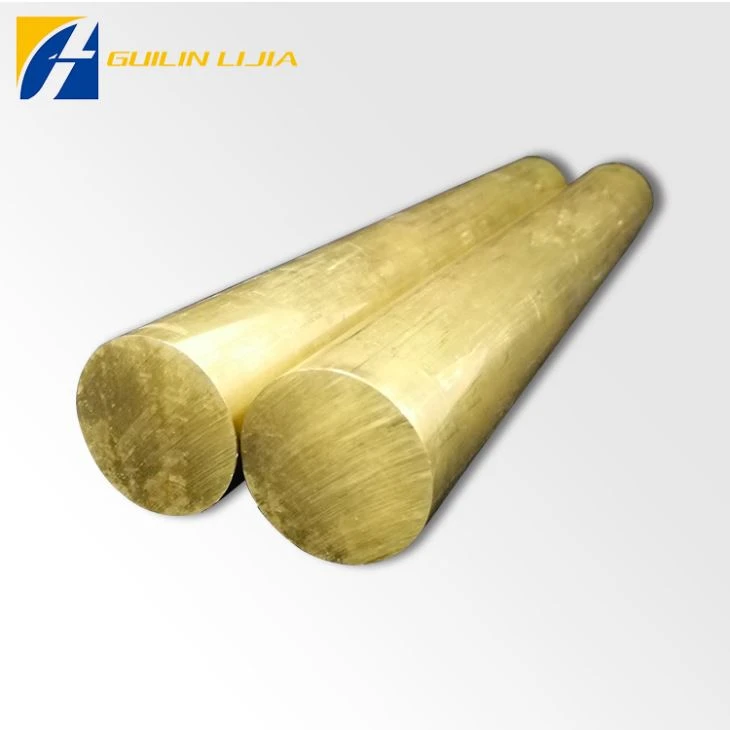

So, if you're interested in purchasing brass bars, don't hesitate to reach out. We're here to help you get the best quality brass bars for your needs. Whether you're a small - scale manufacturer or a large industrial company, we have the products and the expertise to support you.
In conclusion, the modulus of elasticity of a brass bar is a crucial property that affects its performance in various applications. As a supplier, we're committed to providing high - quality brass bars with the right modulus of elasticity for your specific needs. So, if you have any questions or are ready to start a purchase, just get in touch, and we'll take it from there.
References:
- "Materials Science and Engineering: An Introduction" by William D. Callister, Jr. and David G. Rethwisch
- Industry reports on brass manufacturing and properties