

What is the difference between a brass bar and a copper bar?
Hey there! As a supplier of brass bars, I often get asked about the difference between brass bars and copper bars. It's a question that comes up quite a bit, and it's important to understand the distinctions, especially if you're in the market for these materials. So, let's dive right in and explore what sets these two types of bars apart.
Composition
First off, let's talk about what they're made of. Copper is a pure metal. It's one of the oldest metals used by humans, and it has a distinct reddish - brown color. Copper is known for its excellent electrical and thermal conductivity. It's also quite malleable, which means it can be easily shaped without breaking.
On the other hand, brass is an alloy. It's made by combining copper with zinc. The proportion of zinc can vary, and this variation affects the properties of the brass. Generally, brass has a yellowish color, which can range from a pale yellow to a more golden hue depending on the zinc content.
The addition of zinc to copper in brass gives it some unique properties. For example, brass is often more corrosion - resistant than pure copper. It also has better machinability. That means it's easier to cut, drill, and shape into different forms compared to copper.
Physical Properties
When it comes to physical properties, there are some notable differences. Copper is very soft and ductile. You can bend it easily, and it can be drawn into thin wires. This makes it ideal for electrical wiring, as it can be formed into the right shape without much effort.
Brass, however, is harder than copper. This hardness makes it suitable for applications where wear resistance is important. For instance, brass bars are often used in making gears and bearings. The hardness also gives brass better strength, so it can withstand more stress without deforming.
In terms of density, copper is denser than brass. This means that for the same volume, a copper bar will weigh more than a brass bar. The density difference can be a factor when considering the weight requirements of a particular application.
Applications
The differences in properties lead to different applications for brass bars and copper bars.
Copper bars are widely used in the electrical industry. Because of their high electrical conductivity, they're used for making electrical connectors, bus bars, and transformers. They're also used in plumbing systems because of their corrosion - resistance and ability to be easily soldered.
Brass bars, on the other hand, have a wide range of applications. They're commonly used in the manufacturing of precision instruments. If you're looking for Brass Bar for Precise Instrument, brass is a great choice. Its hardness and machinability allow for the creation of complex and accurate parts.
Brass bars are also popular for making fittings. Whether it's for plumbing, automotive, or other industries, Brass Bar for Fittings are in high demand. The corrosion - resistance of brass ensures that these fittings will last a long time, even in harsh environments.
Cost
Cost is another factor to consider. Generally, copper is more expensive than brass. This is because copper is a pure metal, and the extraction and refining process can be costly. Brass, being an alloy, can be more cost - effective, especially when large quantities are needed.
However, the cost can also vary depending on the quality and the specific requirements of the application. For some high - end applications where pure copper is necessary, the cost might be justified. But for many general applications, brass offers a more budget - friendly option.
Maintenance
Maintenance is an important aspect to think about. Copper can develop a patina over time when exposed to air and moisture. This patina is a greenish layer that forms on the surface of the copper. While some people like the look of the patina, others may want to keep the copper looking shiny. To do this, you can clean the copper regularly with a copper cleaner.
Brass also needs some maintenance. It can tarnish over time, especially in environments with high humidity or chemicals. To keep brass looking good, you can use a brass cleaner and polish. However, because brass is more corrosion - resistant than copper, it generally requires less frequent maintenance.
Availability
In terms of availability, both copper bars and brass bars are widely available. You can find them in different sizes and shapes, depending on your needs. As a brass bar supplier, I can tell you that we always try to keep a good stock of different types of brass bars to meet the demands of our customers.
Choosing the Right Material
So, how do you decide whether to use a brass bar or a copper bar? It really depends on your specific application. If you need high electrical conductivity, copper is the way to go. But if you need hardness, wear resistance, and better machinability, brass might be the better choice.

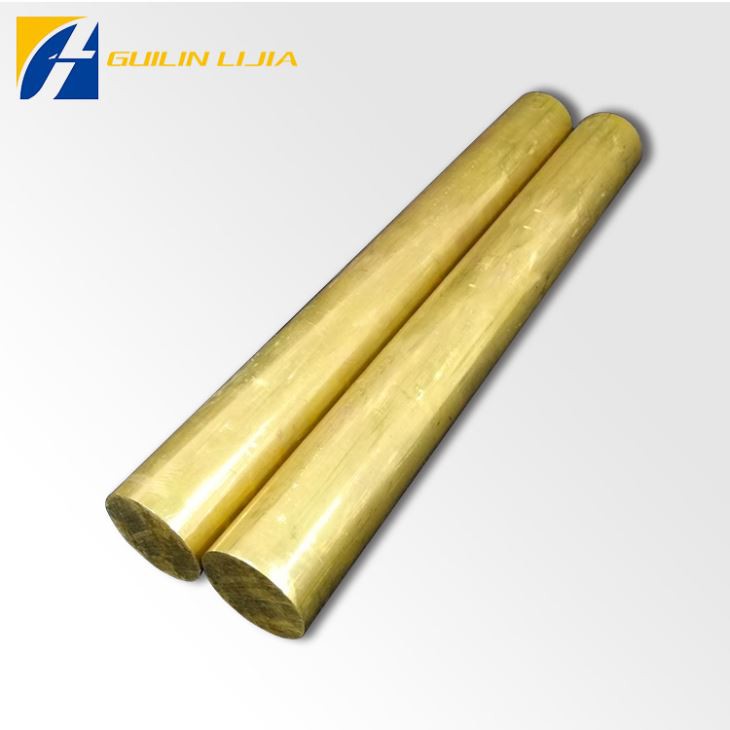
If you're still not sure which material is right for you, don't hesitate to reach out. I'm here to help you make the best decision for your project. Whether you're working on a small DIY project or a large - scale industrial application, I can provide you with the right brass bars to meet your needs.
In conclusion, while both brass bars and copper bars have their own unique properties and uses, understanding the differences between them is crucial. It allows you to make an informed decision when it comes to choosing the right material for your project. If you're in the market for brass bars, I'd love to have a chat with you about your requirements. Let's work together to find the perfect solution for your needs.
References
- "Metals Handbook: Properties and Selection: Nonferrous Alloys and Pure Metals", ASM International
- "The Chemistry of Copper and Brass", Journal of Metallurgical Chemistry