

What are the safety precautions when working with copper bars?
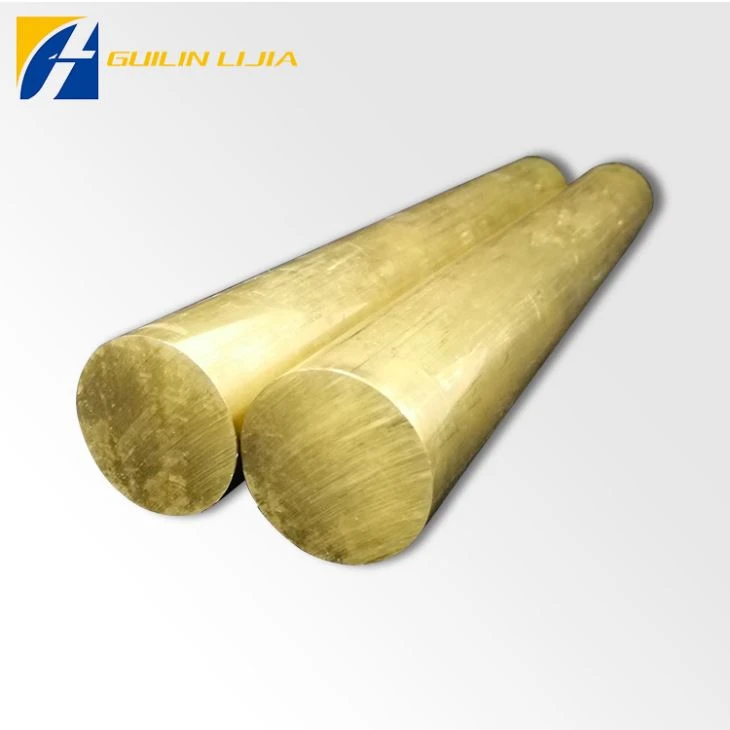
Working with copper bars is a common practice in various industries, including electrical, construction, and manufacturing. As a copper bar supplier, I understand the importance of safety when handling these materials. In this blog post, I will discuss the safety precautions that should be taken when working with copper bars to ensure a safe and efficient work environment.
Personal Protective Equipment (PPE)
One of the most basic yet critical safety measures when working with copper bars is wearing the appropriate personal protective equipment. This includes:

- Safety Glasses: Protect your eyes from flying debris, dust, and sparks that may be generated during cutting, grinding, or welding operations. Safety glasses should have side shields to provide full protection.
- Gloves: Wear heat-resistant gloves to protect your hands from burns when handling hot copper bars. Additionally, gloves can prevent cuts and abrasions from sharp edges.
- Ear Protection: Copper bar processing can be noisy, especially when using power tools. Earplugs or earmuffs should be worn to protect your hearing from excessive noise levels.
- Respirator: When working in an environment where copper dust or fumes are present, a respirator should be worn to prevent inhalation of harmful particles. Make sure the respirator is properly fitted and rated for the specific contaminants you are exposed to.
- Steel-Toed Boots: Protect your feet from heavy objects that may fall or from sharp edges of copper bars. Steel-toed boots provide an extra layer of protection against potential injuries.
Handling and Storage
Proper handling and storage of copper bars are essential to prevent accidents and ensure the quality of the material. Here are some guidelines to follow:
- Lifting Techniques: When lifting copper bars, use proper lifting techniques to avoid back injuries. Bend your knees, keep your back straight, and lift with your legs. If the bars are too heavy to lift manually, use a hoist or forklift.
- Storage Conditions: Store copper bars in a dry, well-ventilated area to prevent corrosion. Keep them away from moisture, chemicals, and other corrosive substances. Stack the bars securely to prevent them from falling or shifting.
- Marking and Identification: Clearly mark the copper bars with their specifications, such as size, grade, and quantity. This will help you easily identify the bars and ensure that you are using the correct material for your project.
Cutting and Machining
Cutting and machining copper bars require special attention to safety. Here are some tips to follow:
- Use the Right Tools: Use appropriate cutting tools, such as saws, shears, or lasers, for the specific type of copper bar you are working with. Make sure the tools are in good condition and properly maintained.
- Secure the Workpiece: Before cutting or machining, secure the copper bar firmly in place to prevent it from moving or vibrating. This will ensure accurate cuts and reduce the risk of accidents.
- Follow the Manufacturer's Instructions: Read and follow the manufacturer's instructions for operating the cutting and machining equipment. This includes setting the correct speed, feed rate, and depth of cut.
- Wear Protective Equipment: In addition to the basic PPE, wear a face shield when using power tools to protect your face from flying debris.
Welding and Soldering
Welding and soldering copper bars require additional safety precautions due to the high temperatures and potential for exposure to hazardous fumes. Here are some safety tips to keep in mind:
- Ventilation: Ensure proper ventilation in the work area to remove welding and soldering fumes. Use exhaust fans or ventilation hoods to draw the fumes away from the worker.
- Welding Equipment: Use appropriate welding equipment, such as a welding machine, electrodes, and filler materials, for the specific type of copper bar you are working with. Make sure the equipment is in good condition and properly maintained.
- Welding Techniques: Follow proper welding techniques to ensure a strong and reliable weld. This includes cleaning the surfaces to be welded, using the correct welding current and voltage, and maintaining a consistent welding speed.
- Fire Prevention: Keep a fire extinguisher nearby in case of a fire. Remove any flammable materials from the work area and make sure the welding equipment is properly grounded.
Electrical Safety
Copper bars are often used in electrical applications, so electrical safety is of utmost importance. Here are some electrical safety tips to follow:
- Insulation: Make sure the copper bars are properly insulated to prevent electrical shock. Use insulating materials, such as rubber or plastic, to cover the bars and any exposed electrical connections.
- Grounding: Ensure that the copper bars are properly grounded to prevent electrical hazards. This includes connecting the bars to a grounding system and using grounding clamps to secure the connection.
- Electrical Equipment: Use appropriate electrical equipment, such as circuit breakers, fuses, and switches, to protect the electrical system from overloading and short circuits. Make sure the equipment is in good condition and properly maintained.
- Training: Provide proper training to workers on electrical safety procedures and the use of electrical equipment. This includes training on how to safely handle and install copper bars in electrical applications.
First Aid
Despite taking all the necessary safety precautions, accidents can still happen. It is important to have a first aid kit readily available in the work area and to train workers on basic first aid procedures. Here are some common first aid treatments for injuries related to working with copper bars:
- Cuts and Abrasions: Clean the wound with soap and water and apply a sterile bandage. If the wound is deep or bleeding heavily, seek medical attention immediately.
- Burns: Cool the burn with running water for at least 10 minutes. Apply a burn ointment and cover the burn with a sterile bandage. If the burn is severe, seek medical attention immediately.
- Eye Injuries: Flush the eye with clean water for at least 15 minutes. Do not rub the eye. If the injury is severe, seek medical attention immediately.
- Inhalation of Fumes: Move the worker to a well-ventilated area and provide fresh air. If the worker is experiencing difficulty breathing, seek medical attention immediately.
Conclusion
Working with copper bars can be a rewarding and profitable business, but it also comes with certain risks. By following the safety precautions outlined in this blog post, you can minimize the risk of accidents and ensure a safe and efficient work environment. Remember to always wear the appropriate PPE, handle and store the copper bars properly, use the right tools and techniques, and provide proper training to your workers.
If you are interested in purchasing high-quality copper bars for your project, we offer a wide range of products, including Brass Bar for Fittings, Brass Bar for Precise Instrument, and Copper Alloy Round Bar. Contact us today to discuss your specific requirements and to get a quote.
References
- Occupational Safety and Health Administration (OSHA). (n.d.). Personal Protective Equipment. Retrieved from https://www.osha.gov/PPE
- American Welding Society (AWS). (n.d.). Welding Safety. Retrieved from https://www.aws.org/safety
- National Fire Protection Association (NFPA). (n.d.). Electrical Safety. Retrieved from https://www.nfpa.org/codes-and-standards/all-codes-and-standards/list-of-codes-and-standards/detail?code=70