

What are the joining properties of lead brass with other materials?
As a lead brass supplier, I am often asked about the joining properties of lead brass with other materials. Lead brass, an alloy of copper, zinc, and lead, is known for its excellent machinability, corrosion resistance, and aesthetic appeal. Its unique composition allows it to be joined with a variety of materials, which makes it a versatile choice for many applications. In this blog, I will explore the joining properties of lead brass with other materials, including the methods, challenges, and considerations.
Joining Methods
Soldering
Soldering is one of the most common methods for joining lead brass to other materials. It involves using a filler metal with a melting point lower than that of the base metals. For lead brass, soft solders with a relatively low melting point are often used. The process is relatively simple and can be done at lower temperatures, which minimizes the risk of damaging the materials.
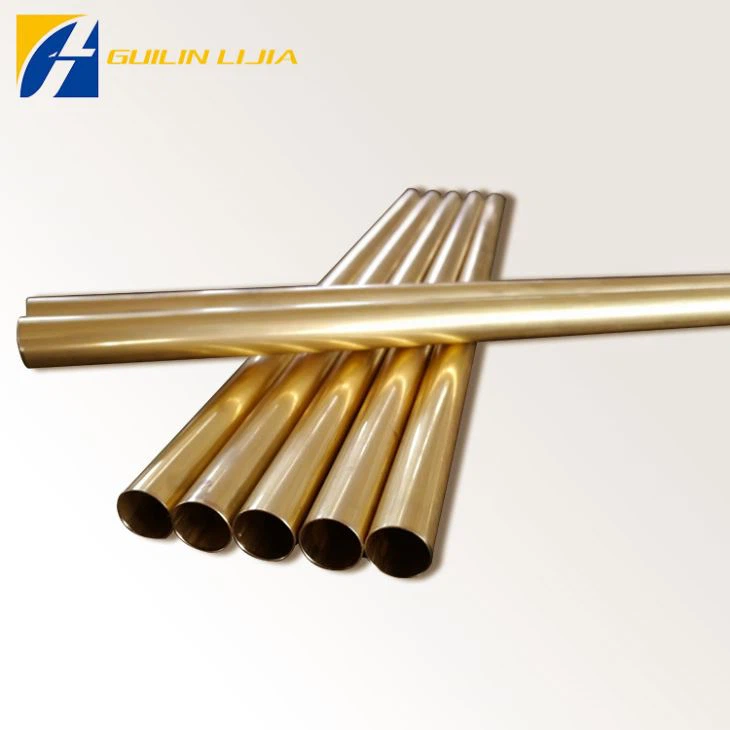
When soldering lead brass to materials like copper or other brass alloys, the key is to ensure a clean surface. Any contaminants on the surface can prevent the solder from adhering properly. The surface should be cleaned with a suitable solvent and flux should be applied to promote wetting. The filler metal is then heated until it melts and flows into the joint, creating a strong bond. This method is widely used in plumbing applications, such as joining Brass Pipe Lead Content to copper pipes.
Brazing
Brazing is similar to soldering but uses a filler metal with a higher melting point. This results in a stronger joint compared to soldering. When brazing lead brass, the base metals are heated to a temperature above the melting point of the filler metal. The filler metal is then drawn into the joint by capillary action.
Brazing is suitable for joining lead brass to a wider range of materials, including steel and stainless steel. However, it requires more precise temperature control and proper flux selection. The high temperatures involved in brazing can also affect the microstructure of the lead brass, so it is important to consider the potential impact on the material's properties. For example, in the manufacturing of Lead Brass for Machining Valve, brazing may be used to join different components.

Welding
Welding is a more complex joining method that involves melting the base metals to form a joint. There are several welding techniques that can be used for lead brass, such as gas tungsten arc welding (GTAW) and gas metal arc welding (GMAW).
GTAW is often preferred for lead brass because it provides better control over the welding process. It uses a non - consumable tungsten electrode to create an arc that melts the base metals. A filler metal can be added if necessary. However, welding lead brass can be challenging due to the presence of lead. Lead has a low melting point and can vaporize during welding, which can lead to porosity and other defects in the joint. Special precautions need to be taken to ensure a high - quality weld, such as proper ventilation and pre - heating the material.
Challenges in Joining Lead Brass with Other Materials
Compatibility
One of the main challenges in joining lead brass with other materials is compatibility. Different materials have different thermal expansion coefficients, which can cause stress in the joint during heating and cooling. For example, when joining lead brass to steel, the difference in thermal expansion can lead to cracking or loosening of the joint over time. It is important to select materials with similar thermal expansion coefficients or use appropriate joint designs to minimize the stress.
Corrosion
Another challenge is corrosion. When lead brass is joined with other metals, galvanic corrosion can occur if the two metals have different electrochemical potentials. For instance, if lead brass is in contact with a more noble metal like stainless steel in the presence of an electrolyte, the lead brass may corrode. To prevent this, proper surface treatments and coatings can be applied to the joint.
Lead Release
The presence of lead in lead brass is a concern, especially in applications where the material comes into contact with food or drinking water. When joining lead brass, there is a risk of lead release, which can be harmful to human health. It is important to follow relevant regulations and standards, such as using Low Lead Copper Tube in plumbing applications.
Considerations for Joining
Material Selection
When choosing materials to join with lead brass, it is important to consider their properties and compatibility. For example, if the joint needs to be strong and resistant to corrosion, materials with similar corrosion resistance should be selected. Additionally, the material's machinability and formability should also be considered, especially if further processing is required after joining.
Joint Design
The design of the joint can significantly affect the quality and strength of the connection. Factors such as the joint type (e.g., butt joint, lap joint), the fit between the parts, and the presence of stress concentration points need to be carefully considered. A well - designed joint can distribute the stress evenly and minimize the risk of failure.
Surface Preparation
Proper surface preparation is crucial for successful joining. The surfaces of the lead brass and the other material should be clean, free of oxides, and have good wetting characteristics. This can be achieved through methods such as sanding, degreasing, and pickling.
Applications and Benefits
The ability to join lead brass with other materials opens up a wide range of applications. In the plumbing industry, lead brass pipes can be joined to copper or steel pipes to create a reliable and durable plumbing system. In the automotive industry, lead brass components can be joined to other metals to form complex assemblies.
The benefits of using lead brass in these applications include its excellent machinability, which allows for the production of intricate parts, and its corrosion resistance, which ensures a long - service life. Additionally, the aesthetic appeal of lead brass makes it a popular choice for decorative applications.
Conclusion
In conclusion, the joining properties of lead brass with other materials are diverse and offer many opportunities for various applications. However, it is important to understand the joining methods, challenges, and considerations to ensure a successful and high - quality joint. As a lead brass supplier, I am committed to providing high - quality lead brass products and technical support to help our customers achieve the best results in their joining processes.
If you are interested in purchasing lead brass products or have any questions about joining lead brass with other materials, please feel free to contact us for further discussion and procurement negotiation.
References
- ASM Handbook, Volume 6: Welding, Brazing, and Soldering. ASM International.
- Metals Handbook: Properties and Selection: Nonferrous Alloys and Pure Metals. American Society for Metals.
- Copper Development Association. Technical publications on copper and copper alloys.