

What are the inspection items for copper alloy tubes?
Hey there! As a supplier of copper alloy tubes, I often get asked about the inspection items for these tubes. Today, I'm gonna break it down for you and share all the important details you need to know.
Chemical Composition
One of the first things we check is the chemical composition of the copper alloy tubes. The chemical makeup determines the tube's properties, like its strength, corrosion resistance, and ductility. Different applications require different chemical compositions.
For instance, in desalination projects, we use Desalination Aluminum Brass Tube. The right amount of aluminum and other alloying elements is crucial to ensure it can withstand the harsh marine environment. We analyze the chemical composition using advanced techniques like spectrometry. This helps us make sure that the proportions of copper, zinc, aluminum, and other metals are within the specified range.
Dimensional Accuracy
Dimensional accuracy is super important. The tubes need to have the right outer diameter, inner diameter, and wall thickness for them to fit properly in various applications. If the dimensions are off, it can lead to installation problems and affect the overall performance of the system.
We measure the outer diameter using calipers or micrometers. For the inner diameter, we might use specialized gauges. When it comes to wall thickness, ultrasonic thickness measurement tools are quite handy. Tubes like Hard Drawn Brass Tubing have particular dimensional requirements, and we make sure they meet the standards.
Surface Quality
The surface of the copper alloy tubes also needs to be in good shape. We look for any signs of cracks, scratches, pits, or other defects. A damaged surface can reduce the corrosion resistance of the tube and may even lead to leaks over time.
We conduct a visual inspection first, using good lighting to spot any obvious flaws. For more in - depth inspection, we might use non - destructive testing methods like magnetic particle inspection or eddy current testing. These methods can detect surface and near - surface defects that might not be visible to the naked eye. Take Brass Tube for Section, for example; a smooth and defect - free surface is essential for its use in structural applications.
Mechanical Properties
Mechanical properties are key to understanding how the tubes will perform under stress. We test for properties like tensile strength, yield strength, and elongation. Tensile strength tells us how much pulling force the tube can withstand before breaking, while yield strength is the point at which the tube starts to deform permanently.
We use a tensile testing machine to perform these tests. We cut samples from the tubes and pull them until they break. By analyzing the data from the test, we can determine if the tubes meet the required mechanical property standards. Copper alloy tubes used in high - pressure applications, such as in hydraulic systems, need to have high mechanical strength.
Corrosion Resistance
Since many copper alloy tubes are used in corrosive environments, corrosion resistance is a major inspection item. We simulate different corrosive conditions in the lab to evaluate how well the tubes hold up.

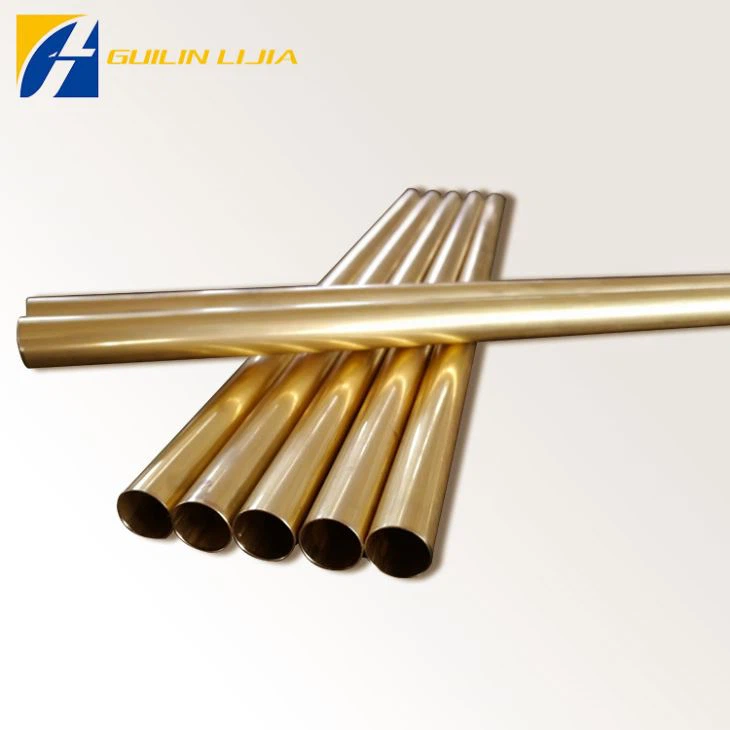
For Desalination Copper Tube, we use salt spray tests to replicate the seawater environment. This helps us determine if the tube has the right corrosion - resistant properties. By testing in a controlled environment, we can predict how the tube will perform in real - world scenarios and ensure it has a long service life.
Pressure Resistance
Pressure resistance is important, especially for tubes that carry fluids or gases under pressure. We subject the tubes to a certain pressure level in a pressure testing chamber and monitor for any signs of leakage or deformation.
If a tube is used in a plumbing system or an industrial pipeline, it needs to be able to withstand the operating pressure without failing. We make sure to test the tubes according to industry standards, so you can have confidence in their performance.
Machinability
For applications where the tube needs to be machined, like in the production of valves, machinability is an important factor. Tubes like Lead Brass for Machining Valve are designed to be easily machined.
We evaluate machinability by measuring factors such as cutting force, tool wear, and surface finish after machining. This helps us ensure that the tube can be processed efficiently and accurately, saving time and costs in the manufacturing process.
Microstructure
The microstructure of the copper alloy tube can have a big impact on its properties. We look at the grain size, phase distribution, and other microstructural features using microscopy techniques.
A fine - grained microstructure often results in better mechanical properties, like higher strength and ductility. By analyzing the microstructure, we can understand the tube's performance characteristics and make adjustments to the manufacturing process if necessary.
In conclusion, there are many crucial inspection items for copper alloy tubes. From chemical composition to microstructure, each aspect plays a significant role in determining the tube's quality and suitability for different applications. If you're in the market for copper alloy tubes and want products that meet high - quality standards, feel free to reach out to discuss your procurement needs. We're here to provide you with the best solutions.
References
- Smith, J. (2020). Handbook of Copper Alloy Manufacturing. Publisher XYZ.
- Johnson, M. (2019). Corrosion Resistance of Metal Tubes in Marine Environments. Journal of Material Science, 15(2), 34 - 45.