

How to make a custom - sized brass bar?
Hey there, folks! As a brass bar supplier, I often get asked about how to make custom-sized brass bars. It's a pretty interesting process, and I'm excited to share it with you.
First things first, let's talk about what brass is. Brass is an alloy made primarily of copper and zinc. The ratio of copper to zinc can vary, which gives brass different properties and colors. For example, a higher copper content will make the brass more malleable and have a reddish hue, while a higher zinc content will make it more durable and have a more yellowish color.
Step 1: Design and Planning
The first step in making a custom-sized brass bar is to figure out what you need. You gotta think about the size, shape, and any special requirements for your brass bar. Maybe you're making a Brass Bar for Precise Instrument, in which case you need to be super precise with the dimensions. Or perhaps it's a Brass Bar for Fittings, and you need a specific shape to fit into your project.
Once you have a clear idea of what you want, it's time to create a design. You can use computer-aided design (CAD) software to draw up your plans. This helps you visualize the final product and make any necessary adjustments before you start the manufacturing process.
Step 2: Material Selection
After you've got your design, it's time to choose the right brass material. There are different grades of brass available, each with its own set of properties. You need to consider factors like strength, corrosion resistance, and machinability.
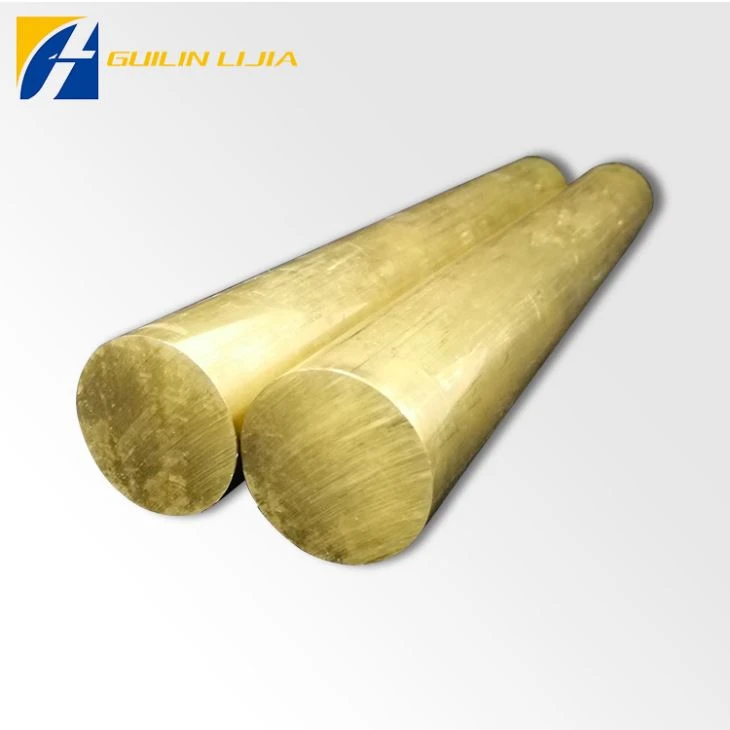
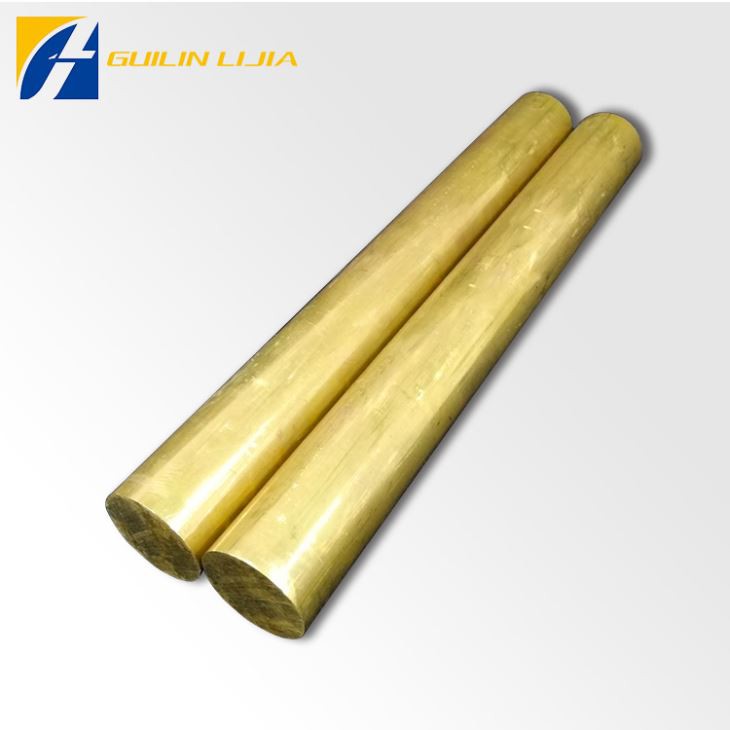
For instance, if your brass bar is going to be used in a marine environment, you'll want a brass grade that's highly resistant to corrosion. On the other hand, if you need to machine the bar into a complex shape, you'll need a grade that's easy to work with. As a supplier, I can help you pick the best material for your specific application.
Step 3: Melting the Brass
Once you've selected the material, it's time to melt it down. We use a furnace to heat the brass to its melting point, which is around 900 - 940 degrees Celsius (1652 - 1724 degrees Fahrenheit). The furnace needs to be carefully monitored to ensure that the temperature is just right and that the brass melts evenly.
During the melting process, we also add any necessary alloying elements to achieve the desired properties. For example, if we need to increase the strength of the brass, we might add a small amount of lead or tin.
Step 4: Casting
After the brass is melted, it's ready to be cast into a bar shape. There are a few different casting methods we can use, but one of the most common is called continuous casting. In continuous casting, the molten brass is poured into a water-cooled mold. As the brass cools and solidifies, it is slowly pulled out of the mold in a continuous stream, forming a long bar.
The advantage of continuous casting is that it allows us to produce brass bars of consistent quality and size. We can also control the speed at which the bar is pulled out of the mold, which affects the grain structure and properties of the brass.
Step 5: Rolling and Drawing
Once the brass bar is cast, it may need to be further processed to achieve the final size and shape. This is where rolling and drawing come in.
Rolling involves passing the brass bar through a series of rollers to reduce its thickness and increase its length. This process can also improve the surface finish and mechanical properties of the bar.
Drawing is similar to rolling, but it involves pulling the brass bar through a die to reduce its diameter. This is a great way to make brass bars with very precise dimensions.
Step 6: Heat Treatment
Heat treatment is an important step in the manufacturing process. It can improve the strength, hardness, and ductility of the brass bar. There are different types of heat treatment, such as annealing, quenching, and tempering.
Annealing involves heating the brass bar to a specific temperature and then slowly cooling it. This helps to relieve internal stresses and make the brass more malleable. Quenching, on the other hand, involves rapidly cooling the brass bar after heating it. This can increase the hardness of the brass. Tempering is often done after quenching to reduce the brittleness and improve the toughness of the bar.
Step 7: Machining and Finishing
After heat treatment, the brass bar may need to be machined to achieve the final shape and size. Machining processes include cutting, drilling, milling, and turning. We use a variety of tools and machines to perform these operations, depending on the complexity of the design.
Once the machining is done, the brass bar needs to be finished. This can involve processes like polishing, buffing, or coating. Finishing not only improves the appearance of the bar but also protects it from corrosion and wear.
Step 8: Quality Control
Throughout the entire manufacturing process, quality control is essential. We use a variety of testing methods to ensure that the brass bar meets the required specifications. These tests include dimensional checks, chemical analysis, mechanical testing, and non-destructive testing.
For example, we might use a caliper to measure the dimensions of the bar, or we might perform a tensile test to determine its strength. Non-destructive testing methods, such as ultrasonic testing or X-ray inspection, can be used to detect any internal defects in the bar.
Step 9: Packaging and Shipping
Once the brass bar has passed all the quality control tests, it's ready to be packaged and shipped. We use high-quality packaging materials to protect the bar during transit. Depending on the size and quantity of the order, we can ship the brass bars by truck, rail, or even by sea.
Contact Us for Custom Brass Bars
So, there you have it! That's how we make custom-sized brass bars. If you're interested in ordering custom brass bars for your project, whether it's a Brass Bar for Precise Instrument or a Brass Bar for Fittings, don't hesitate to reach out. We have the expertise and equipment to produce high-quality brass bars that meet your specific needs.
Let's start a conversation about your custom brass bar requirements. We're here to help you every step of the way.
References
- Callister, W. D., & Rethwisch, D. G. (2011). Materials Science and Engineering: An Introduction. Wiley.
- ASM Handbook Committee. (2001). ASM Handbook: Volume 2, Properties and Selection: Nonferrous Alloys and Special - Purpose Materials. ASM International.
No Information