

What are the machining characteristics of lead brass?
As a lead brass supplier, I've had the privilege of witnessing firsthand the unique machining characteristics that make lead brass a standout material in various industries. In this blog, I'll delve into the specific machining traits of lead brass, exploring its benefits, applications, and how it compares to other materials.
1. Excellent Machinability
One of the most significant advantages of lead brass is its outstanding machinability. The addition of lead to the brass alloy creates small, discrete lead particles within the metal matrix. These particles act as lubricants during the machining process, reducing friction between the cutting tool and the workpiece. As a result, lead brass can be easily machined using a variety of methods, including turning, milling, drilling, and threading.
The low cutting forces required when machining lead brass not only extend the tool life but also improve the surface finish of the machined parts. This makes lead brass an ideal choice for applications where high precision and smooth surfaces are essential, such as in the manufacturing of valves, bearings, and electrical connectors. For instance, Lead Brass for Machining Valve is widely used in the valve industry due to its ability to be machined into complex shapes with tight tolerances.
2. High Chip Breakability
Another notable characteristic of lead brass is its high chip breakability. During machining, the lead particles in the brass alloy cause the chips to break into small, manageable pieces. This is in contrast to some other metals, such as stainless steel, which often produce long, stringy chips that can be difficult to handle and may cause problems in the machining process.

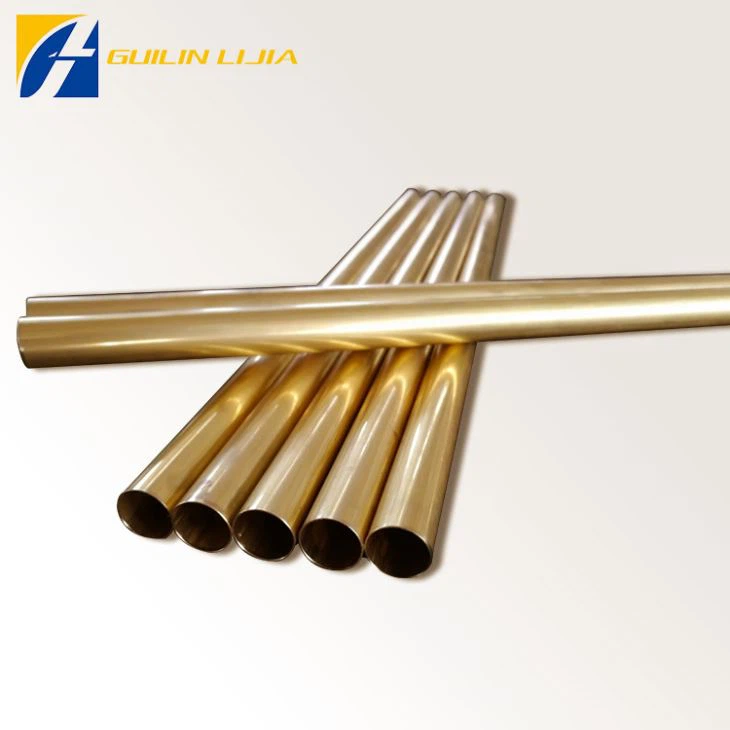
The ability to produce short, broken chips is beneficial for several reasons. First, it reduces the risk of chip entanglement, which can damage the cutting tool and disrupt the machining operation. Second, it makes chip removal easier, improving the overall efficiency of the machining process. This is particularly important in high - volume production environments, where time and cost savings are crucial. For example, in the production of Lead Brass for Machining Bearing, the high chip breakability of lead brass ensures smooth and efficient machining operations.
3. Good Corrosion Resistance
Lead brass offers good corrosion resistance, making it suitable for use in a wide range of environments. The copper in the brass alloy forms a protective oxide layer on the surface of the material, which helps to prevent corrosion. Additionally, the lead in the alloy can enhance the corrosion resistance in certain applications.
This corrosion resistance is particularly important in applications where the parts are exposed to moisture, chemicals, or other corrosive substances. For example, in plumbing applications, lead brass pipes are often used because they can withstand the corrosive effects of water and various chemicals in the water supply. You can learn more about Brass Pipe Lead Content to understand how the lead content affects the performance and corrosion resistance of brass pipes.
4. Dimensional Stability
Lead brass exhibits excellent dimensional stability during the machining process. This means that the machined parts maintain their shape and size accurately, even after undergoing various machining operations. The combination of the alloy's properties and the low cutting forces required for machining contribute to this dimensional stability.
Dimensional stability is crucial in applications where precise fit and function are required. For example, in the automotive and aerospace industries, lead brass components need to have tight tolerances to ensure proper assembly and performance. The dimensional stability of lead brass allows for the production of high - quality parts that meet these strict requirements.
5. Good Thermal Conductivity
Lead brass has good thermal conductivity, which is an important property in many applications. The ability to conduct heat efficiently helps to dissipate heat generated during the machining process, reducing the risk of overheating and damage to the cutting tool.
In addition, in applications where heat transfer is required, such as in heat exchangers or electronic components, the good thermal conductivity of lead brass makes it a suitable material. It can help to maintain the temperature of the components within an acceptable range, ensuring their proper operation and longevity.
6. Applications of Lead Brass
The unique machining characteristics of lead brass make it suitable for a wide range of applications. Some of the common applications include:
- Valve Manufacturing: As mentioned earlier, lead brass is widely used in the production of valves due to its excellent machinability and corrosion resistance. It can be easily machined into complex valve bodies and components, ensuring a tight seal and reliable operation.
- Bearing Production: The high chip breakability and dimensional stability of lead brass make it an ideal material for manufacturing bearings. It can be machined to precise tolerances, providing smooth and efficient operation in various mechanical systems.
- Electrical Connectors: Lead brass is also used in the production of electrical connectors because of its good electrical conductivity and machinability. It can be easily formed into the required shapes to ensure a reliable electrical connection.
7. Comparison with Other Materials
When compared to other materials, lead brass has several advantages. For example, compared to steel, lead brass is easier to machine, has better corrosion resistance, and offers good thermal conductivity. Steel often requires more complex machining processes and may need additional surface treatments to prevent corrosion.
Compared to aluminum, lead brass has higher strength and better wear resistance. Aluminum is a lightweight material, but it may not be suitable for applications where high strength and durability are required.
8. Conclusion
In conclusion, lead brass is a versatile material with unique machining characteristics that make it a popular choice in many industries. Its excellent machinability, high chip breakability, good corrosion resistance, dimensional stability, and thermal conductivity make it suitable for a wide range of applications.
If you are looking for a reliable lead brass supplier for your machining needs, we are here to provide you with high - quality lead brass products. Our team of experts can help you select the right lead brass alloy for your specific application and ensure that you get the best value for your money. Contact us today to start a discussion about your lead brass requirements and let's work together to meet your production goals.
References
- ASM Handbook, Volume 2: Properties and Selection: Nonferrous Alloys and Special - Purpose Materials.
- Metals Handbook Desk Edition, Third Edition.
- Various industry reports and technical papers on lead brass machining and applications.
No Information