

Can a brass bar be used in medical applications?
Hey there! As a supplier of brass bars, I often get asked if brass bars can be used in medical applications. Well, let's dive right into this topic and find out.
First off, brass is an alloy made up of copper and zinc. It has some pretty cool properties that make it a potential candidate for certain medical uses. One of the main advantages of brass is its antibacterial properties. Copper, which is a major component of brass, has been shown to have antibacterial effects. In a hospital setting, where preventing the spread of infections is crucial, this could be a big plus. For example, brass surfaces can help reduce the growth of bacteria like MRSA and E. coli. This antibacterial property can potentially be utilized in medical equipment and devices to keep patients safe.
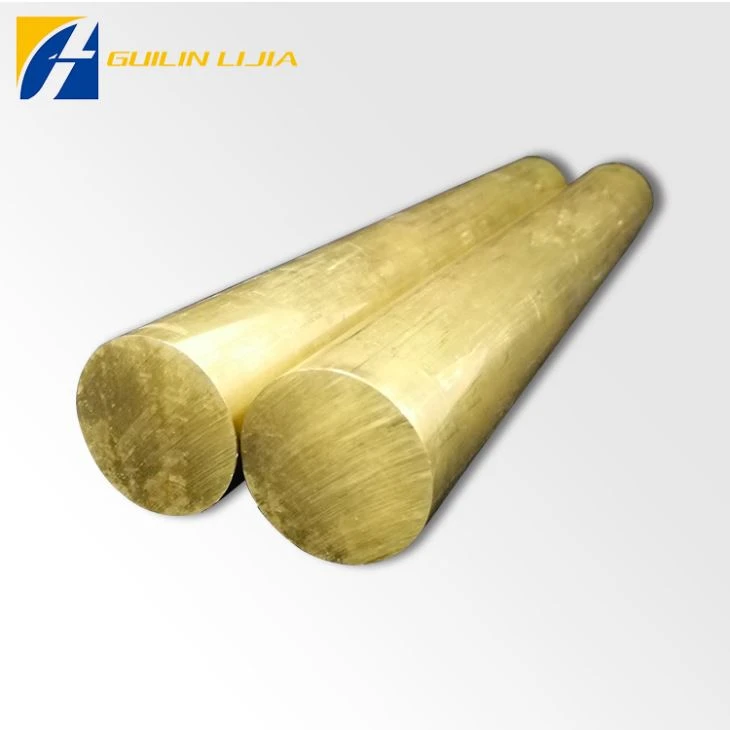
Now, let's talk about the types of brass bars we offer. We have Brass Bar for Fittings. These brass bars are great for making fittings in medical equipment. Fittings need to be strong, durable, and able to withstand the rigors of daily use. Brass bars are known for their good mechanical properties. They can be easily machined into the precise shapes needed for fittings. Whether it's a small connector in a medical device or a larger fitting in a piece of hospital equipment, our brass bars for fittings can do the job.
Another type of brass bar we have is the Brass Bar for Precise Instrument. In the medical field, precision is key. Many medical instruments require high - precision parts. Brass bars are suitable for this because they can be formed into very accurate shapes. The alloy's composition allows for fine - tuning of its properties, such as hardness and conductivity, which are important for precise instruments. For example, in some diagnostic devices, the brass parts need to be accurate to ensure the correct functioning of the equipment.
But it's not all smooth sailing. There are also some concerns when it comes to using brass in medical applications. One of the main issues is the potential for corrosion. In a medical environment, there are often various chemicals and fluids present. If the brass bar is not properly protected, it can corrode over time. Corrosion can not only damage the equipment but also release harmful substances into the surrounding environment. To address this, we take steps to ensure that our brass bars are treated with appropriate coatings to prevent corrosion.
Another concern is the potential for allergic reactions. Some people may be allergic to brass, especially if they have a sensitivity to copper or zinc. However, the risk of allergic reactions can be minimized by using high - quality brass and ensuring proper surface treatment.
In terms of regulatory requirements, the medical industry is highly regulated. Any material used in medical applications needs to meet strict standards. Our brass bars are manufactured to meet relevant industry standards. We work closely with testing laboratories to ensure that our products are safe and suitable for medical use.

When it comes to the cost - effectiveness of using brass bars in medical applications, brass is generally more affordable compared to some other metals used in the medical field, like titanium. This makes it an attractive option for manufacturers looking to keep costs down without sacrificing too much in terms of quality.
Now, let's look at some real - world examples of brass bar applications in the medical field. In dental equipment, brass bars can be used to make parts like dental handpieces. These handpieces need to be strong, lightweight, and able to withstand repeated use. Brass bars can provide the necessary strength and durability for these applications.
In surgical instruments, brass can also be used in certain components. For example, some surgical clamps may have brass parts. The antibacterial properties of brass can help reduce the risk of infections during surgeries.
So, can a brass bar be used in medical applications? The answer is yes, but with some considerations. Our brass bars offer a range of benefits, from antibacterial properties to good mechanical and machining properties. However, we also need to address issues like corrosion and potential allergic reactions.
If you're in the medical industry and are interested in using brass bars for your applications, we'd love to have a chat with you. We can provide more detailed information about our products, their properties, and how they can meet your specific needs. Whether you're looking for brass bars for fittings or precise instruments, we've got you covered. Let's start a conversation and see how we can work together to bring high - quality brass bars to your medical projects.
References
- "Antibacterial Properties of Copper and Its Alloys" - Journal of Applied Microbiology
- "Medical Device Materials and Their Properties" - Medical Materials Research Journal