

Can a brass bar be used in marine applications?
Can a brass bar be used in marine applications? That's a question I get asked a lot as a brass bar supplier. I'm here to break it down for you and give you the lowdown on whether brass bars are a good fit for marine settings.
First off, let's talk about what brass is. Brass is an alloy made mainly of copper and zinc. Depending on the ratio of these two metals and the addition of other elements like lead, tin, or aluminum, you get different types of brass with various properties. This versatility is one of the reasons brass is so popular in many industries.
Now, when it comes to marine applications, there are some tough conditions to consider. The marine environment is harsh, with constant exposure to saltwater, high humidity, and varying temperatures. Saltwater is extremely corrosive, and any material used in this setting needs to be able to withstand it.
Brass has some qualities that make it a potential candidate for marine use. One of the big pluses is its corrosion resistance. The copper in brass forms a protective layer when exposed to the elements, which helps slow down the corrosion process. This layer, called a patina, acts as a barrier between the metal and the corrosive environment. For example, some types of brass with a higher copper content are better at forming this protective layer and can last longer in marine conditions.
Another advantage of brass is its malleability. It can be easily shaped into different forms, which is great for making all sorts of marine components. Whether you need to create custom fittings or parts for precise instruments, brass bars can be machined to meet your specific requirements. You can check out our Brass Bar for Precise Instrument and Brass Bar for Fittings on our website to see the variety of options we offer.
But here's the deal, brass isn't without its drawbacks in marine applications. One major issue is dezincification. This is a process where zinc is selectively removed from the brass alloy in the presence of oxygen and chloride ions, which are abundant in saltwater. When dezincification occurs, the brass becomes weaker and more porous, and its mechanical properties are compromised. This can lead to premature failure of the component.
To combat dezincification, you can choose special types of brass that have been designed to be more resistant. For example, alloys with the addition of elements like arsenic or antimony can help prevent zinc from leaching out. These dezincification-resistant brasses are a better choice for long - term use in marine environments.
There are also some common marine applications where brass bars can be used effectively. One such application is in boat hardware. Things like cleats, hinges, and porthole frames can be made from brass. Its attractive appearance, combined with its durability, makes it a popular choice among boat builders.
In plumbing systems on ships, brass bars are also used to make fittings. The malleability of brass allows for easy installation, and its corrosion resistance helps ensure a long - lasting plumbing system. However, it's crucial to use the right type of brass to avoid dezincification and leaks.
When it comes to electrical components in marine settings, brass can be a good option too. It has decent electrical conductivity, and its corrosion resistance helps protect the electrical connections from the harsh marine environment.
Now, if you're thinking about using brass bars in your marine project, there are a few things to keep in mind. First, make sure you choose the right type of brass. Consider the specific requirements of your application, such as the level of corrosion resistance needed, the mechanical strength, and the cost.
Second, proper maintenance is key. Regular cleaning and inspection can help detect any signs of corrosion or dezincification early on. If you notice any issues, you can take steps to address them before they cause major problems.
As a brass bar supplier, I've seen the benefits and challenges of using brass in marine applications firsthand. I'm confident that with the right selection and maintenance, brass bars can be a great choice for many marine projects.
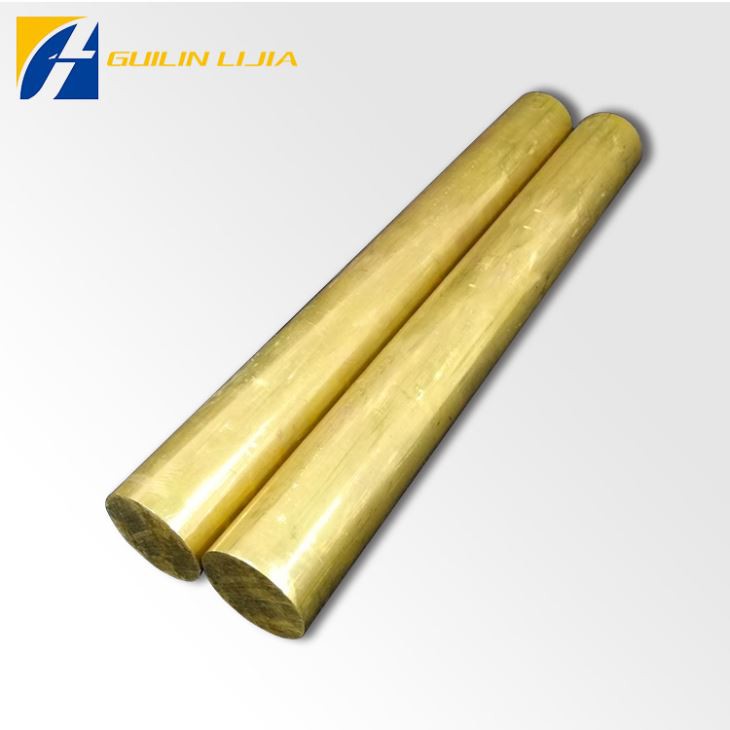

If you're interested in learning more about our brass bars or want to discuss how they can be used in your marine application, don't hesitate to reach out. We can help you find the perfect brass bar solution for your needs. Whether you're building a small boat or a large commercial vessel, we've got the expertise and the products to support you.
Let's have a chat about your project and see how our brass bars can make a difference. We're here to assist you every step of the way.
References
- Metals Handbook, Volume 1: Properties and Selection: Irons, Steels, and High - Performance Alloys. ASM International.
- "Corrosion of Metals in Marine Environments" by various experts in corrosion science.
- Technical documentation on brass alloys from major metal manufacturers.