

Are there different grades of brass bars?
Hey there! As a supplier of brass bars, I often get asked if there are different grades of brass bars. The answer is a big yes! Brass is an alloy made up of copper and zinc, and the ratio of these two metals, along with other elements that might be added, determines the grade of the brass bar.
Let's start by understanding the basics. Brass is a super versatile material. It's got great corrosion resistance, it's easy to machine, and it has a lovely aesthetic appeal. These properties make it a top - pick for a wide range of applications, from plumbing fittings to musical instruments.

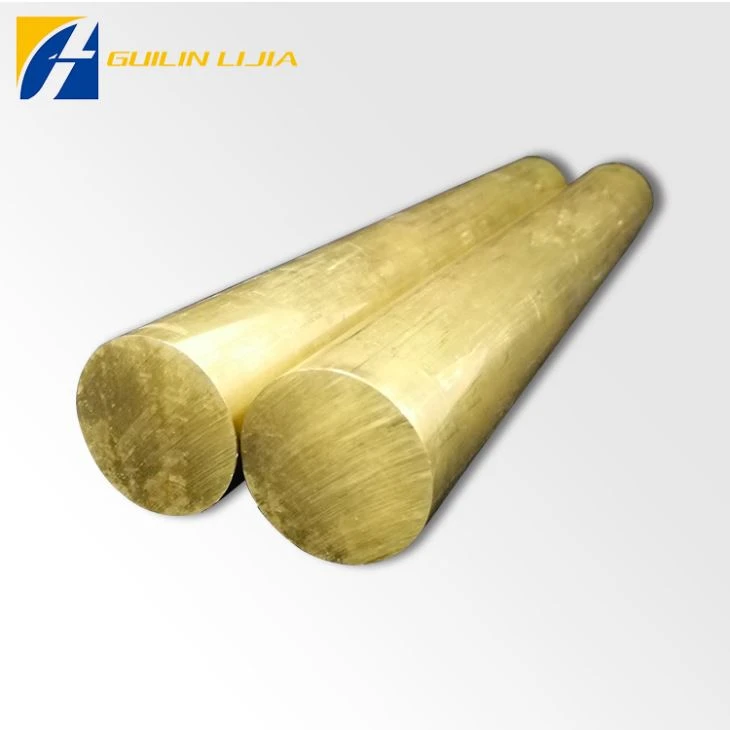
One of the most common grades of brass is C260, also known as cartridge brass. It contains about 70% copper and 30% zinc. This grade is super popular because it's easy to work with. You can bend it, cut it, and shape it without too much hassle. It's commonly used in the manufacturing of cartridges (hence the name), but it's also great for making all sorts of small parts and components. If you're looking for a Brass Bar for Fittings, C260 could be a great choice. You can check out more about it here: Brass Bar for Fittings.
Another well - known grade is C360, often called free - machining brass. It has a slightly different composition, with a bit more lead added. The lead makes it even easier to machine, which means you can get very precise cuts and shapes. This grade is perfect for applications where high precision is required, like in the production of small screws, nuts, and bolts. If you're in the market for a brass bar for a precise instrument, C360 might be what you need. You can find more details about it here: Brass Bar for Precise Instrument.
Then there's C272, also known as yellow brass. It has a higher zinc content compared to cartridge brass, which gives it a brighter, more yellowish color. This grade is often used in decorative applications because of its attractive appearance. It's also quite strong and durable, so it can be used in some structural applications as well.
Now, let's talk about why these different grades matter. Different applications have different requirements. For example, if you're making a plumbing fitting, you need a brass bar that can withstand water and resist corrosion. C260 or C272 would be good choices because they have decent corrosion resistance. On the other hand, if you're making a precision part for a high - tech instrument, you need a brass bar that can be machined to very tight tolerances. That's where C360 comes in.
The manufacturing process also plays a role in the quality and grade of the brass bar. We use state - of - the - art equipment and techniques to ensure that our brass bars meet the highest standards. We start with high - quality raw materials and carefully control the melting and casting process. This helps us achieve the right composition and properties for each grade.
When it comes to choosing the right grade of brass bar, it's important to consider your specific needs. Think about the application, the environment it will be used in, and the level of precision required. If you're not sure which grade is best for you, don't worry! Our team of experts is here to help. We can provide you with all the information you need and even offer samples so you can test the material before making a decision.
We take pride in the quality of our brass bars. We've been in the business for a long time, and we've built a reputation for delivering top - notch products. Our brass bars are available in a variety of sizes and shapes, so you can find exactly what you need for your project.
If you're interested in purchasing brass bars, we'd love to hear from you. Whether you're a small business looking for a few bars or a large manufacturer in need of a bulk order, we can accommodate your requirements. Contact us today to start a conversation about your brass bar needs. We're here to make the process as smooth and easy as possible for you.
In conclusion, there are definitely different grades of brass bars, and each grade has its own unique properties and applications. By understanding these differences, you can make an informed decision when choosing the right brass bar for your project. So, don't hesitate to reach out to us if you have any questions or if you're ready to place an order. We're looking forward to working with you!
References
- General knowledge about brass alloys from industry manuals and textbooks.
- Internal research and data from our manufacturing processes.