

What are the effects of surface treatments on lead brass?
Surface treatments play a crucial role in the performance and application of lead brass. As a reliable lead brass supplier, we have witnessed firsthand the significant effects that surface treatments can have on lead brass products. In this blog, we will explore the various effects of surface treatments on lead brass, including improvements in corrosion resistance, wear resistance, and aesthetic appearance.
Corrosion Resistance
One of the primary benefits of surface treatments on lead brass is the enhancement of corrosion resistance. Lead brass is prone to corrosion, especially in environments with high humidity or exposure to certain chemicals. Surface treatments such as plating, passivation, and coating can create a protective barrier on the surface of the lead brass, preventing the penetration of corrosive agents.
Plating is a common surface treatment method that involves depositing a thin layer of metal onto the surface of the lead brass. This can be done through electroplating or electroless plating. The plated layer can provide excellent corrosion resistance, as well as improve the appearance of the lead brass. For example, nickel plating can enhance the corrosion resistance of lead brass in a variety of environments, including acidic and alkaline solutions.
Passivation is another surface treatment method that can improve the corrosion resistance of lead brass. Passivation involves treating the surface of the lead brass with a chemical solution to form a passive oxide layer. This layer acts as a barrier against corrosion, preventing the formation of rust and other corrosion products. Passivation is commonly used in applications where the lead brass is exposed to harsh environments, such as in the marine industry.
Coating is also an effective way to improve the corrosion resistance of lead brass. Coatings can be applied to the surface of the lead brass to provide a protective layer against corrosion. There are various types of coatings available, including organic coatings, inorganic coatings, and composite coatings. The choice of coating depends on the specific application and the environment in which the lead brass will be used.
Wear Resistance
In addition to corrosion resistance, surface treatments can also improve the wear resistance of lead brass. Lead brass is often used in applications where it is subjected to friction and wear, such as in valves and bearings. Surface treatments can reduce the friction between the lead brass and other materials, thereby reducing wear and extending the service life of the lead brass.
One common surface treatment method for improving wear resistance is nitriding. Nitriding involves introducing nitrogen into the surface of the lead brass to form a hard nitride layer. This layer can significantly improve the wear resistance of the lead brass, making it more suitable for applications where high wear resistance is required.
Another surface treatment method for improving wear resistance is the application of a hard coating. Hard coatings, such as titanium nitride (TiN) and chromium nitride (CrN), can provide excellent wear resistance and hardness. These coatings can be applied to the surface of the lead brass using physical vapor deposition (PVD) or chemical vapor deposition (CVD) techniques.
Aesthetic Appearance
Surface treatments can also have a significant impact on the aesthetic appearance of lead brass. Lead brass is often used in decorative applications, such as in jewelry, architectural hardware, and furniture. Surface treatments can enhance the appearance of the lead brass, making it more attractive and appealing.
One common surface treatment method for improving the aesthetic appearance of lead brass is polishing. Polishing can remove surface imperfections and create a smooth, shiny surface. This can enhance the visual appeal of the lead brass and make it more suitable for decorative applications.
Another surface treatment method for improving the aesthetic appearance of lead brass is coloring. Coloring can be done through various methods, such as electroplating, chemical coloring, and painting. Coloring can add a unique and attractive look to the lead brass, making it more suitable for specific applications.
Impact on Machinability
Surface treatments can also affect the machinability of lead brass. Machinability refers to the ease with which a material can be machined using various machining processes, such as turning, milling, and drilling. Surface treatments can either improve or degrade the machinability of lead brass, depending on the type of treatment and the specific machining process.
Some surface treatments, such as passivation and coating, can improve the machinability of lead brass by reducing friction and preventing chip adhesion. This can result in smoother machining operations and better surface finish. On the other hand, some surface treatments, such as hard coatings, can make the lead brass more difficult to machine, as they can increase the hardness and brittleness of the material.
Applications of Surface-Treated Lead Brass
The effects of surface treatments on lead brass make it suitable for a wide range of applications. Surface-treated lead brass is commonly used in the following industries:
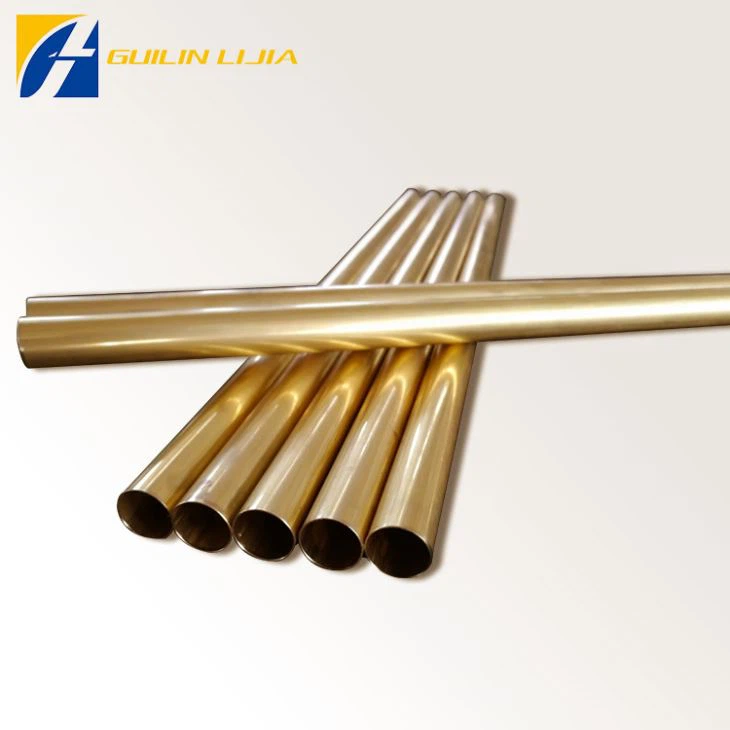

- Valve Manufacturing: Lead brass is widely used in the manufacturing of valves due to its excellent machinability and corrosion resistance. Surface treatments can further enhance the performance of lead brass valves, making them more reliable and durable. Lead Brass for Machining Valve
- Plumbing: Lead brass is commonly used in plumbing applications, such as in pipes and fittings. Surface treatments can improve the corrosion resistance of lead brass plumbing components, ensuring their long-term performance and reliability. Brass Pipe Lead Content
- Electrical and Electronics: Lead brass is used in electrical and electronic applications, such as in connectors and switches. Surface treatments can improve the electrical conductivity and corrosion resistance of lead brass components, ensuring their proper functioning.
- Decorative Applications: Lead brass is often used in decorative applications, such as in jewelry, architectural hardware, and furniture. Surface treatments can enhance the aesthetic appearance of lead brass, making it more attractive and appealing.
Conclusion
Surface treatments have a significant impact on the performance and application of lead brass. By improving corrosion resistance, wear resistance, aesthetic appearance, and machinability, surface treatments can make lead brass more suitable for a wide range of applications. As a lead brass supplier, we offer a variety of surface treatment options to meet the specific needs of our customers. If you are interested in purchasing lead brass products or have any questions about surface treatments, please feel free to contact us for further information and to discuss your procurement requirements.
References
- ASM Handbook, Volume 5: Surface Engineering, ASM International.
- Metals Handbook, Desk Edition, 2nd Edition, ASM International.
- Corrosion Resistance of Copper and Copper Alloys, NACE International.