

How to bend a copper tube without kinking it?
Bending a copper tube without kinking it is a skill that can significantly enhance the functionality and aesthetics of various plumbing, HVAC, and DIY projects. As a trusted Copper Tube supplier, I've witnessed the challenges many face when attempting this task. In this blog, I'll share practical tips and techniques to help you bend copper tubes successfully, ensuring a smooth and kink - free result.
Understanding Copper Tubes
Before diving into the bending process, it's essential to understand the different types of copper tubes available. We offer a wide range of copper tubes, including Copper Tubing for Water Line, which is commonly used in plumbing systems for its corrosion - resistance and durability. Hard Drawn Copper Tubing is another option, known for its strength and rigidity. It's often used in applications where the tube needs to maintain its shape under pressure. For larger - scale projects, we also provide Large Diameter Copper Pipe, which can handle higher flow rates.
The type of copper tube you choose will affect the bending process. Softer copper tubes are generally easier to bend without kinking, while harder tubes may require more specialized techniques.
Tools Required for Bending Copper Tubes
To bend a copper tube without kinking it, you'll need the right tools. Here's a list of the essential tools:
- Tube Bender: There are different types of tube benders available, such as manual tube benders and hydraulic tube benders. Manual tube benders are suitable for small - scale projects and are relatively easy to use. Hydraulic tube benders, on the other hand, are more powerful and can handle larger diameter tubes.
- Sand or Resin: Filling the copper tube with sand or resin can help support the walls of the tube during bending, preventing kinking.
- Heat Source: For some types of copper tubes, applying heat can make the tube more malleable and easier to bend. A propane torch is a common heat source for this purpose.
- Measuring Tools: A tape measure and a protractor are essential for ensuring accurate bends.
Preparing the Copper Tube
Before you start bending the copper tube, it's important to prepare it properly. First, clean the tube thoroughly to remove any dirt, grease, or debris. This will ensure a smooth bending process and prevent any contaminants from affecting the tube's integrity.
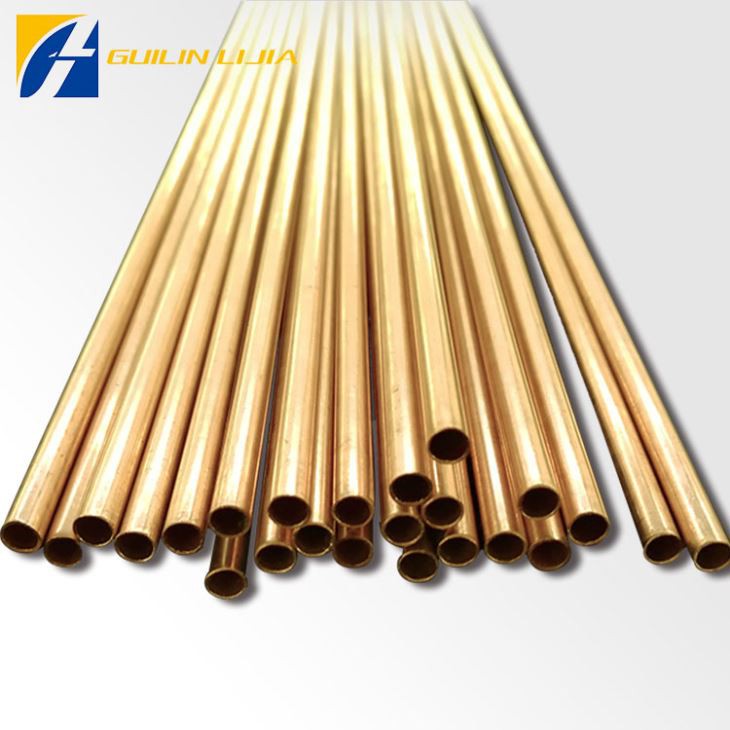

Next, measure and mark the points where you want to make the bends. Use a tape measure and a marker to ensure accurate markings. If you're using a tube bender, make sure the tube is properly aligned with the bender's markings.
If you're planning to fill the tube with sand or resin, it's best to do it before bending. Drill a small hole at one end of the tube and pour the sand or resin into the tube until it's completely filled. Then, plug the hole with a small piece of copper or a cap.
Bending Techniques
There are several techniques you can use to bend a copper tube without kinking it. Here are some of the most common methods:
Using a Tube Bender
- Manual Tube Bender: Place the tube in the tube bender, aligning it with the desired bend radius. Slowly apply pressure to the handle of the tube bender, bending the tube gradually. Make sure to keep the tube straight and aligned during the bending process.
- Hydraulic Tube Bender: For larger diameter tubes or more precise bends, a hydraulic tube bender is a better option. Follow the manufacturer's instructions to set up the tube bender and adjust the bend radius. Then, place the tube in the bender and activate the hydraulic system to bend the tube.
Heat Bending
- If you're using a hard - drawn copper tube or need to make a tight bend, heat bending can be an effective technique. Heat the area of the tube where you want to make the bend using a propane torch. Move the torch in a circular motion around the tube to ensure even heating. Once the tube reaches a cherry - red color, remove the heat source and quickly bend the tube to the desired angle. Use a heat - resistant glove to protect your hand during this process.
Filling with Sand or Resin
- Filling the tube with sand or resin provides internal support for the tube walls, preventing them from collapsing during bending. As you bend the tube, the sand or resin will distribute the pressure evenly, reducing the risk of kinking. After bending, you can remove the sand or resin by drilling a hole at the other end of the tube and shaking it out.
Troubleshooting
Even with the right tools and techniques, you may encounter some issues when bending copper tubes. Here are some common problems and their solutions:
- Kinking: If the tube kinks during bending, it may be due to improper bending technique or using the wrong type of tube. Try using a softer tube or adjusting your bending method. You can also try filling the tube with sand or resin to provide more support.
- Uneven Bends: Uneven bends can occur if the tube is not properly aligned in the tube bender or if the pressure is not applied evenly. Make sure to double - check the alignment of the tube and apply pressure gradually and evenly.
- Cracking: Cracking can happen if the tube is over - bent or if it's made of a brittle material. If you notice any cracks, stop bending immediately and replace the tube.
Quality Assurance and Safety
As a Copper Tube supplier, we prioritize quality and safety. When bending copper tubes, it's important to follow safety guidelines to prevent accidents. Wear safety glasses and gloves to protect your eyes and hands from heat and sharp edges. Make sure to work in a well - ventilated area if you're using a heat source.
After bending the copper tube, inspect it carefully for any signs of damage or kinking. A kinked tube can restrict the flow of fluids or gases and may compromise the performance of your system. If you're not satisfied with the bend, you can try to straighten the tube and make the bend again.
Conclusion
Bending a copper tube without kinking it is a skill that can be mastered with practice and the right knowledge. By understanding the different types of copper tubes, using the appropriate tools, and following the correct bending techniques, you can achieve smooth and kink - free bends for your projects.
As a leading Copper Tube supplier, we're committed to providing high - quality copper tubes and excellent customer service. Whether you're a professional plumber, an HVAC technician, or a DIY enthusiast, we have the products you need. If you're interested in purchasing our copper tubes or have any questions about the bending process, please don't hesitate to contact us for procurement and further discussions.
References
- "Copper Tube Handbook" - Copper Development Association
- "Plumbing and HVAC Installation Guide" - Professional Trades Publishing